
What to Do When Your AC Is Not Cooling in Stillwater
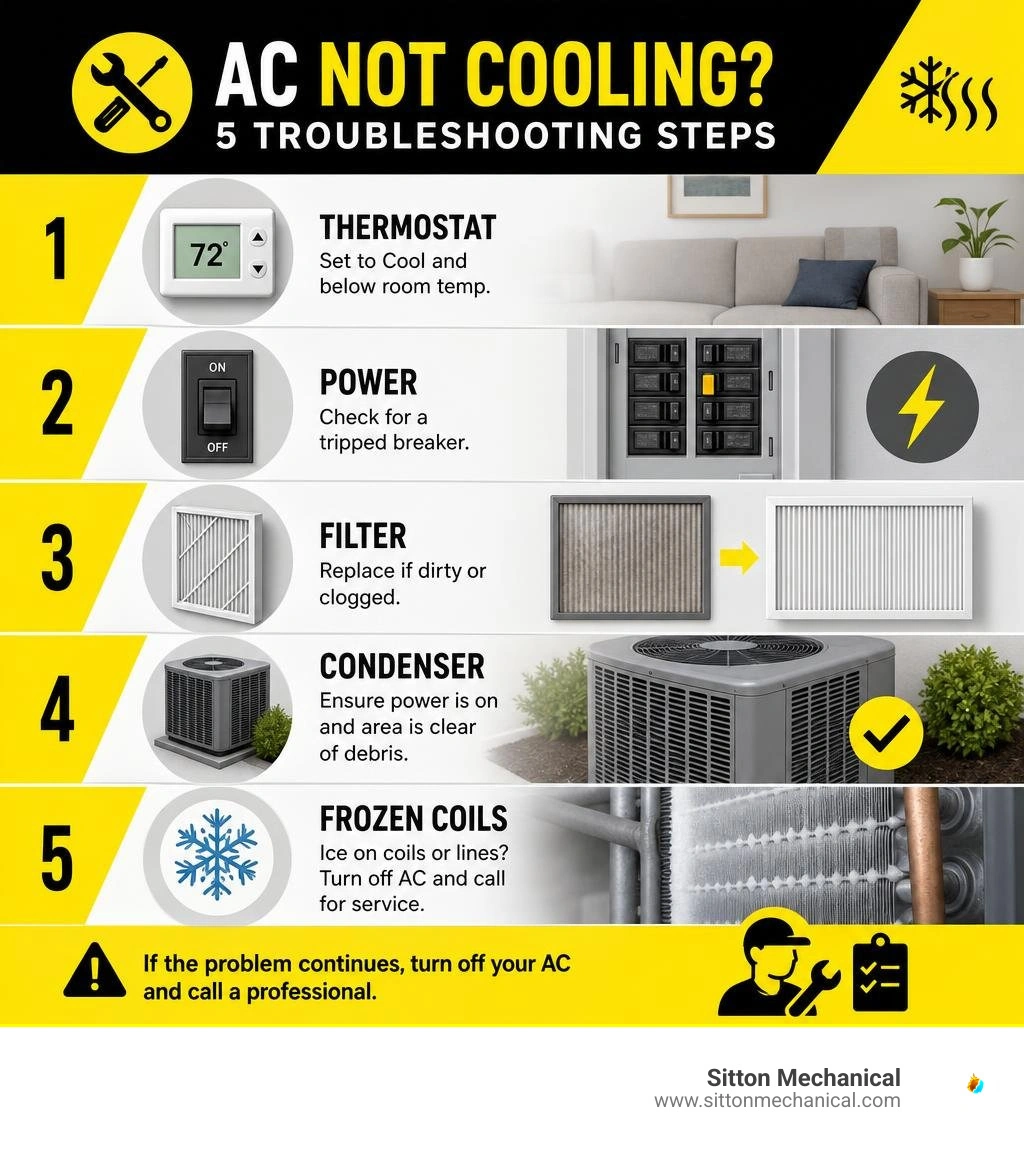
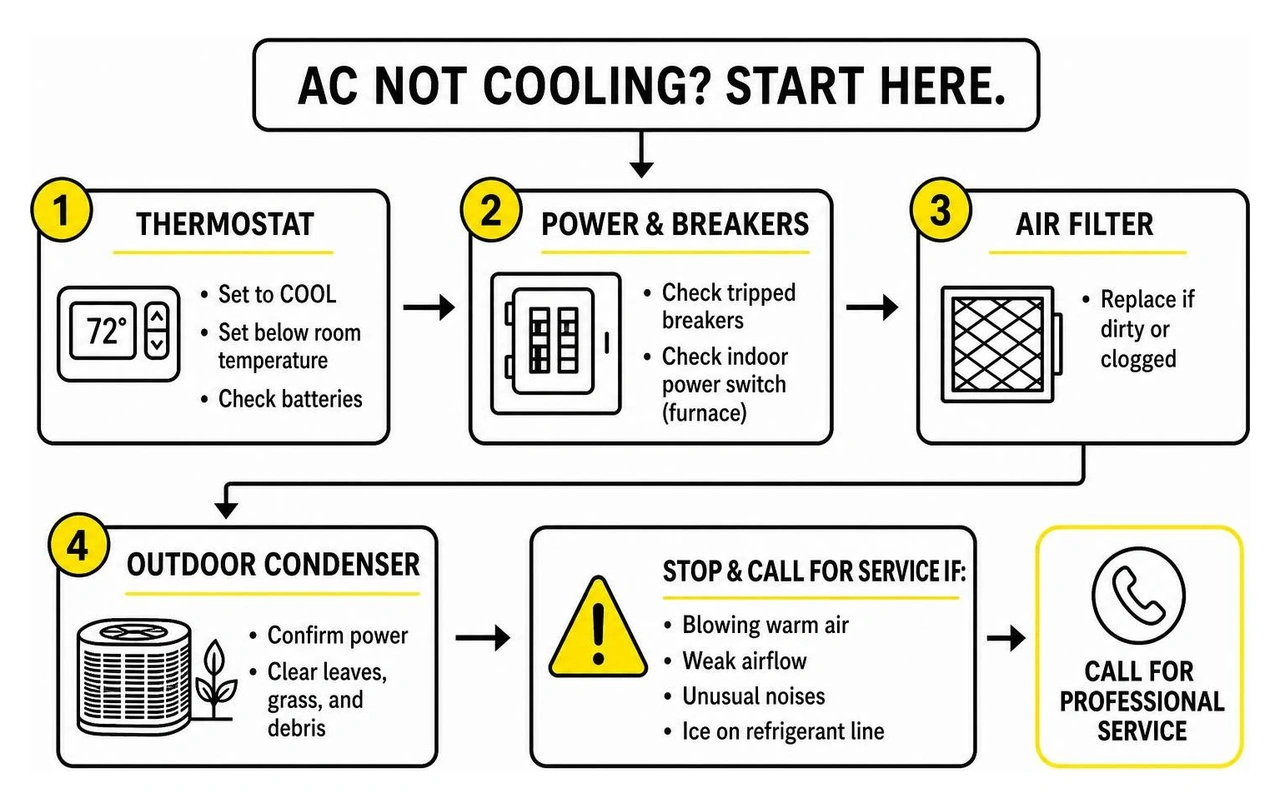
If your AC is not cooling in Stillwater, start with three safe checks: make sure the thermostat is set to Cool and below the indoor temperature, check for a tripped breaker, and replace a dirty air filter. Then look outside to confirm the condenser has power and is clear of leaves, grass, and other debris.
If the system is blowing warm air, has weak airflow, makes unusual noises, or shows ice on the refrigerant line, turn it off and call for professional service. Running an AC with frozen coils, a refrigerant leak, or an electrical problem can cause more damage during an Oklahoma heatwave.
Stillwater's hot, humid summer days put heavy demand on cooling equipment. A clogged filter, blocked coil, failed fan, thermostat issue, or low refrigerant can quickly turn a small problem into an indoor comfort emergency. I am Richard Sitton, and the steps below will help you rule out simple causes and know when it is time to get help.
Basic ac not cooling stillwater vocab:
- 24 hour ac repair stillwater ok
- ac compressor repair stillwater
- ac service stillwater ok
Troubleshooting Guide for AC Not Cooling Stillwater Homes
When indoor temperatures climb rapidly during peak summer afternoons, you need a systematic method to figure out what went wrong. Before assuming the worst, follow these straightforward diagnostic steps to identify common, easily correctable system bottlenecks.
Step 1: Verify Thermostat and Power Settings
The easiest place to start your investigation is right on the wall. Thermostats are delicate electronic devices, and a simple setting mishap can make an entire cooling system appear dead.
- Check Operating Mode and Temperature Target: Confirm the thermostat switch is set to "COOL" rather than "HEAT" or "OFF." Verify the target setpoint temperature is at least 3 to 5 degrees lower than the current ambient room temperature. If someone accidentally bumped the switch to "FAN ONLY," the blower will push unconditioned, lukewarm air throughout your home.
- Inspect Thermostat Batteries: Digital thermostats frequently rely on AA or AAA alkaline batteries to maintain programming and send low-voltage signals to your cooling equipment. Dead or depleted batteries can cause communication dropouts, leaving the system unresponsive.
- Inspect the Electrical Service Panel: Air conditioning systems require substantial electrical power and operate on dedicated circuits. Check your home breaker panel for tripped switches. Central cooling setups use two distinct breakers: one for the indoor air handler/furnace and another double-pole breaker for the outdoor condenser unit. If a breaker has tripped to the middle position, switch it firmly to "OFF" before resetting it back to "ON."
- Check Local Power Disconnect Switches: Verify that the indoor furnace power switch (frequently resembling a standard light switch near your attic or closet unit) has not been flipped off by mistake.
If you need a visual walkthrough of these baseline electrical checks, take a moment to review this helpful video guide on checking critical components when AC stops working.
Step 2: Inspect Air Filters and Return Vents
Airflow restriction is one of the most frequent causes of cooling failure. Your air conditioner does not merely produce cold air; it operates by pulling warm, humid air out of your living spaces, passing it over chilled evaporator coils, and circulating conditioned air back into your home.
When an air filter becomes clogged with dust, pet hair, and airborne debris, volume drops across the evaporator coil. Without adequate warm air moving past the coil, the system cannot absorb heat properly. This restriction causes coil temperatures to plunge below freezing, eventually choking off airflow entirely.
Check every return air grille throughout your living spaces. Ensure large area rugs, curtains, or newly placed furniture are not blocking these intake vents. For a comprehensive walkthrough on airflow dynamics and system diagnostics, review our detailed HVAC System Not Cooling Guide.
Step 3: Examine the Outdoor Condenser Unit

Your outdoor condenser unit is responsible for releasing all the heat extracted from inside your home out into the surrounding air. If the condenser cannot breathe, heat builds up inside the system until safety controls force the compressor to shut down.
Step outside and inspect the exterior unit. Summer storms across Payne County often blow loose grass clippings, tree branches, leaves, and dirt directly against the delicate aluminum condenser fins.
- Clear Surrounding Vegetation: Maintain at least a two-to-three-foot perimeter of clear space around the outdoor unit. Trim back encroaching shrubs, tall weeds, and overhanging tree branches.
- Check the Condenser Fan: Look through the top grille to ensure the fan blades are unobstructed. If the fan motor hums without spinning, or if the blades are jammed by yard debris, the compressor will overheat quickly.
- Inspect Coil Cleanliness: A thick blanket of dust or cottonwood fuzz covering the exterior coil fins prevents effective heat transfer. Never use a high-pressure power washer on your outdoor unit, as intense water pressure will bend the fragile metal fins and cause permanent airflow damage.
Common Culprits Behind Summer Cooling Breakdowns
If your preliminary checks confirm power, fresh filters, and a clean condenser perimeter, the cooling issue likely stems from an internal mechanical or thermodynamic problem.
Primary Climate Drivers of AC Not Cooling Stillwater Properties
Our regional summer weather creates a punishing environment for cooling systems. With sustained afternoon highs frequently surpassing 95 to 100 degrees paired with elevated humidity levels, air conditioners run nearly continuously for hours.
Every residential cooling system is engineered around a standard design temperature differential. Most residential units are sized to maintain an indoor temperature roughly 20 degrees cooler than the outside ambient air. When afternoon heat indexes soar into triple digits, your equipment operates at peak capacity. To understand how excessive ambient heat pushes cooling components to their physical limits, explore the underlying reasons why your AC struggles in 100 degree heat.
Frozen Evaporator Coils and Refrigerant Issues
Ice forming on your indoor air handler or the insulated copper suction line outside is an undeniable sign of operating distress.
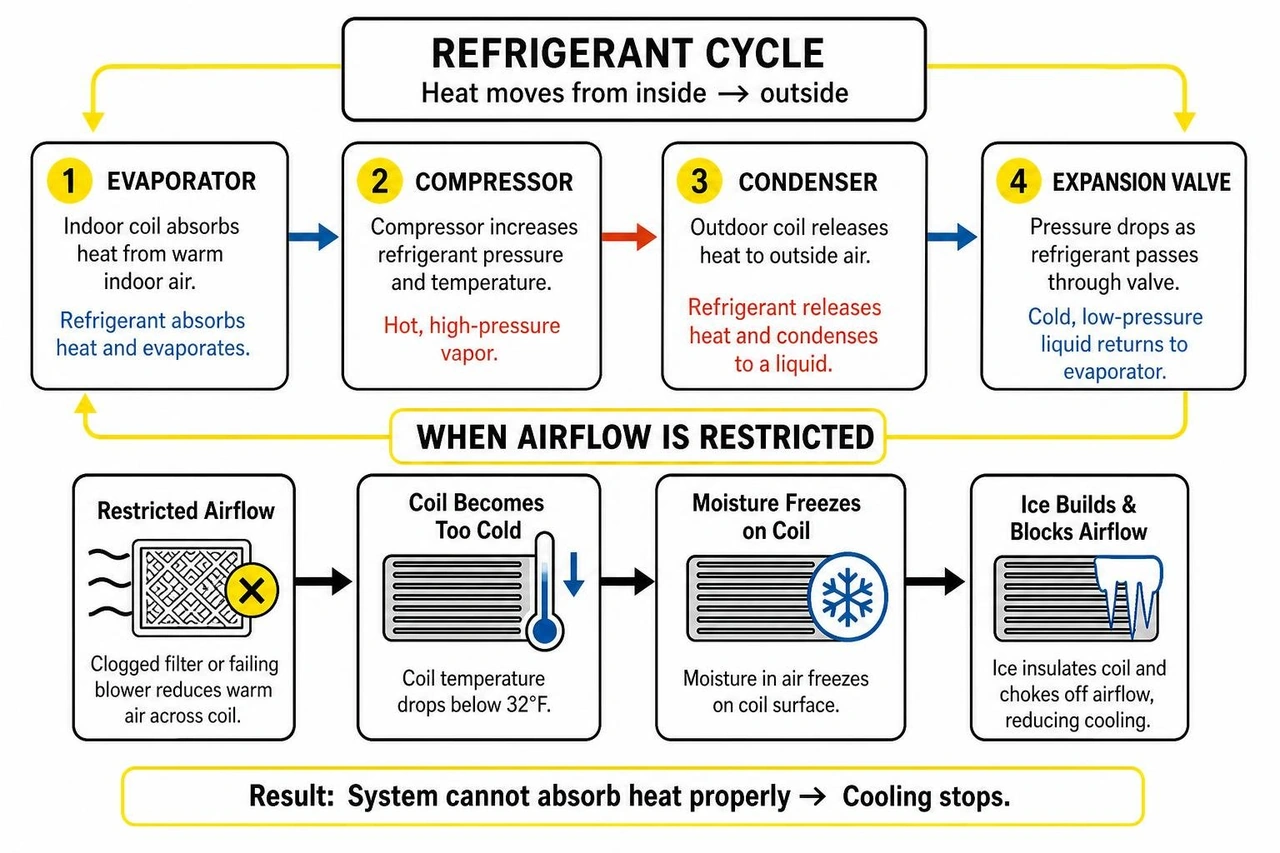
Coil freeze-ups generally stem from one of two primary issues:
- Severe Airflow Starvation: As covered in our troubleshooting steps, a severely clogged filter or failing blower fan motor prevents warm air from reaching the refrigerant inside the coil.
- Refrigerant Leaks: Air conditioning systems operate on a closed, pressurized loop. Refrigerant is not consumed or "used up" like fuel. If refrigerant levels are low, internal pressure drops, causing the boiling point of the chemical refrigerant to fall below 32 degrees Fahrenheit. Moisture in the air freezes instantly upon contacting the coil surface, building an insulating blanket of ice that blocks airflow.
Hissing or bubbling noises near the indoor coil or outdoor brass service valves frequently point to an active refrigerant leak. Continued operation in this state risks destroying the compressor.
Electrical Failures and Compressor Malfunctions
The extreme thermal stress of summer accelerates wear on internal electrical parts. Dual-run capacitors, which provide the high-voltage jolt required to start and run fan motors and compressors, are particularly susceptible to heat degradation.
When a capacitor weakens or bursts, the compressor or fan motor may buzz, overheat, and trip internal thermal safety switches. Contactor relays—the high-voltage switches that pull in to deliver electricity when cooling is requested—can pit, scorch, or become mechanically stuck due to electrical arcing.
These electrical failures frequently trigger short cycling, where the unit starts and abruptly shuts down every few minutes. Homeowners can learn more about identifying AC short cycling causes to prevent severe motor damage. If the heart of your system fails to turn over entirely, specialized AC compressor repair Stillwater services are necessary to evaluate whether electrical components or mechanical valves are salvageable.
Repair vs. Replace: Making the Right Call for Your System
When facing major component malfunctions on an older unit, homeowners must determine whether targeted repairs make practical sense or if a complete system upgrade is the smarter long-term investment.
| Decision Factor | Favor AC Repair | Favor AC Replacement |
|---|---|---|
| System Age | Under 8–10 years old | Over 12–15 years old |
| Refrigerant Type | Modern R-410A / Low-GWP blends | Phased-out R-22 Freon |
| Breakdown History | First or isolated mechanical issue | Frequent summer breakdowns |
| Operating Efficiency | High SEER/SEER2 performance intact | Outdated SEER with high electric bills |
| Core Component Status | Minor electrical parts (capacitors, relays, contactors) | Major failure (burned-out compressor, leaking coil) |
| Overall System Reliability | Maintains comfort consistently when running | Struggles constantly on hot afternoons |
For an in-depth breakdown of system lifespans and diagnostic decision trees, consult our Air Conditioner Repair Stillwater Ultimate Guide.
Preventative Care to Protect Your Air Conditioner
Proactive maintenance remains the single most effective way to eliminate mid-summer cooling emergencies across Stillwater, Perkins, Morrison, Glencoe, Perry, Cushing, Mulhall, Orlando, Ripley, and Sumner.
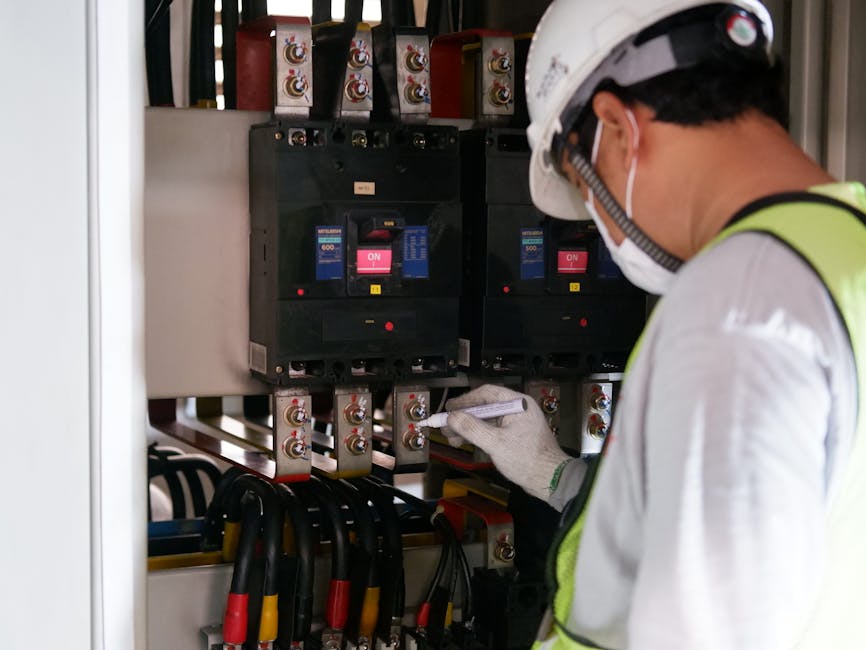
Essential Seasonal Tune-Ups and Inspections
Scheduling comprehensive seasonal care before high summer heat sets in safeguards critical components against premature failure. Professional preventative service should always include:
- Thorough cleaning of outdoor condenser coils and indoor evaporator assemblies
- Checking condensate drain lines to prevent overflow pan switches from tripping
- Testing electrical capacitors, relays, contactors, and motor amp draws
- Measuring system airflow and inspecting blower wheel assemblies
- Checking refrigerant operating pressures and temperatures for optimal subcooling and superheat
Investing in regular AC Maintenance & Tune-Up in Stillwater, OK keeps internal mechanisms running smoothly, cuts monthly energy consumption, and extends overall equipment lifespan.
Fast Professional Fixes for AC Not Cooling Stillwater Equipment
When standard troubleshooting does not solve your cooling problem, calling experienced technicians is the safest way to restore indoor comfort. Certified technicians use specialized digital manifold gauges, thermal imaging tools, and electrical multimeters to pinpoint the root cause without guesswork.
Through precision AC Inspection & Testing in Stillwater, OK, our team identifies subtle warning signs—such as micro-leaks in copper joints, failing motor windings, or restricted metering devices—before they cause complete system failure during extreme weather.
Frequently Asked Questions About AC Cooling Failures
What should I check first when my air conditioner stops blowing cold air?
Start by verifying your thermostat is set to "COOL" with the setpoint temperature several degrees below the current room temperature. Next, check your electrical panel for tripped circuit breakers, and inspect your air filter to ensure it is clean and permitting strong airflow. Finally, confirm the outdoor unit is receiving power and has adequate clearance around its exterior coils.
How can I tell if my AC coils are frozen?
Common indicators of frozen evaporator coils include weak or lukewarm airflow coming from your supply registers, visible frost or solid ice on the copper tubing connected to your indoor or outdoor units, and puddles of water gathering around your indoor unit as the ice melts. If you notice ice, switch your system from "COOL" to "OFF" immediately and set the fan switch to "ON" to thaw the coil without running the compressor.
How does high outdoor humidity affect cooling performance?
Air conditioners must remove latent heat (humidity) from indoor air before they can effectively reduce sensible heat (the actual temperature on the thermometer). When outdoor humidity levels surge during regional summer storms, your cooling equipment must dedicate significant energy to moisture condensation. This increases cycle run times and can leave your home feeling muggy if airflow or refrigerant charges are slightly off.
Conclusion
An air conditioning breakdown during a brutal summer heatwave is stressful, but understanding basic troubleshooting steps helps you address simple issues safely and quickly. Regular filter replacements, clean condenser coils, and routine seasonal maintenance go a long way toward keeping your system running smoothly through high summer temperatures.
When you need dependable, guaranteed cooling solutions backed by certified professionals, Sitton Mechanical is here to restore comfort to your home. Contact our team today for prompt AC Repair Service in Stillwater, OK and get your air conditioner cooling efficiently again.